
Da die weltweite Nachfrage nach Erdnussbutter, Mandelbutter und anderen nussbasierten Aufstrichen weiter steigt, konzentrieren sich Hersteller zunehmend auf die Verbesserung der Verarbeitungseffizienz und Produktqualität. Ein Gerät spielt dabei eine zentrale Rolle: die industrielle Kolloidmühle für die Nussbutterherstellung.
Im Gegensatz zu herkömmlichen Mahlmethoden ist eine Kolloidmühle speziell dafür ausgelegt, ultra-glatte, stabile Nuss-Pasten in industriellem Maßstab herzustellen. Ob Sie Erdnussbutter, Sesampaste oder Mandelbutter produzieren, die Mahlstufe bestimmt direkt die endgültige Textur, das Mundgefühl und den Marktwert Ihres Produkts.
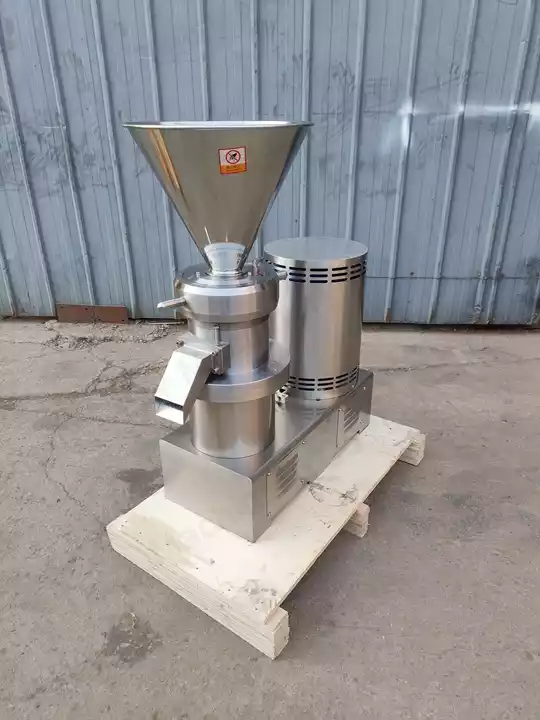
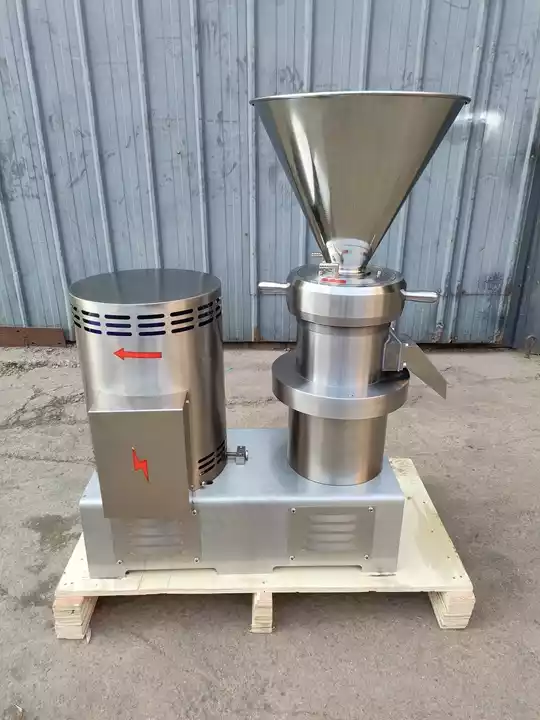
Wie funktioniert eine industrielle Kolloidmühle?
Im Kern arbeitet eine Nussbutter-Kolloidmühle durch hochgeschwindigkeitsbezogene Relativbewegung zwischen einem rotierenden Rotor und einem stationären Stator. Wenn vorverarbeitete Nüsse in die Mahlkammer gelangen, werden sie intensiven Scherkräften, Reibung und Turbulenzen ausgesetzt.
Dieser Prozess reduziert die Partikelgröße auf Mikrometer-Ebene — typischerweise zwischen 2 und 50 Mikrometer — was zu einer feinen, einheitlichen Paste führt. Im Vergleich zu herkömmlichen Mahlwerken sorgt ein Nuss-Pasten-Mixer für eine bessere Emulgierung und verhindert die Öltrennung, was in der kommerziellen Nussbutterproduktion entscheidend ist.
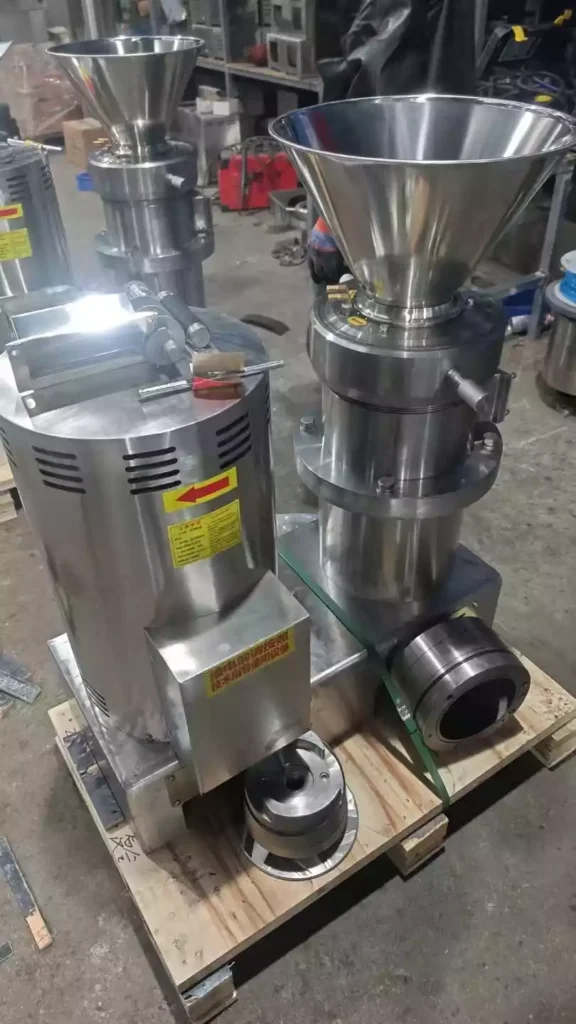
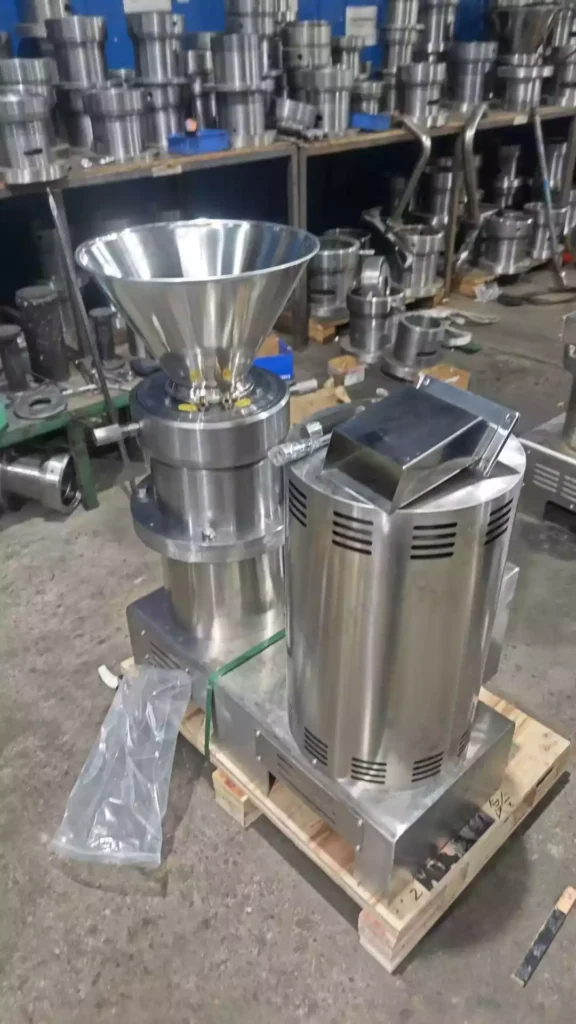
Warum Kolloidmühlen für die Herstellung von Nussbutter unerlässlich sind?
Für Hersteller, die die Produktion hochskalieren, sind Konsistenz und Effizienz unverzichtbar. Hier wird eine industrielle Kolloidmühle unentbehrlich.
Zunächst verbessert sie die Produktglätte erheblich. Verbraucher erwarten cremige Texturen, insbesondere bei Premium-Erdnuss- und Mandelbutter. Eine Erdnussbutter-Kolloidmühle liefert dieses Verfeinerungsniveau zuverlässig.
Zweitens unterstützt sie die kontinuierliche Verarbeitung. In einer modernen Nussbutter-Produktionslinie wirkt sich Ausfallzeit direkt auf die Rentabilität aus. Kolloidmühlen sind für den Dauerbetrieb ausgelegt und eignen sich sowohl für mittel- als auch für groß angelegte Produktionen.
Drittens bietet sie Flexibilität. Die gleiche kommerzielle Nussbutter-Mahlmaschine kann mit minimalen Anpassungen Erdnüsse, Cashews, Mandeln und Sesamsamen verarbeiten, was sie ideal für vielfältige Produktlinien macht.
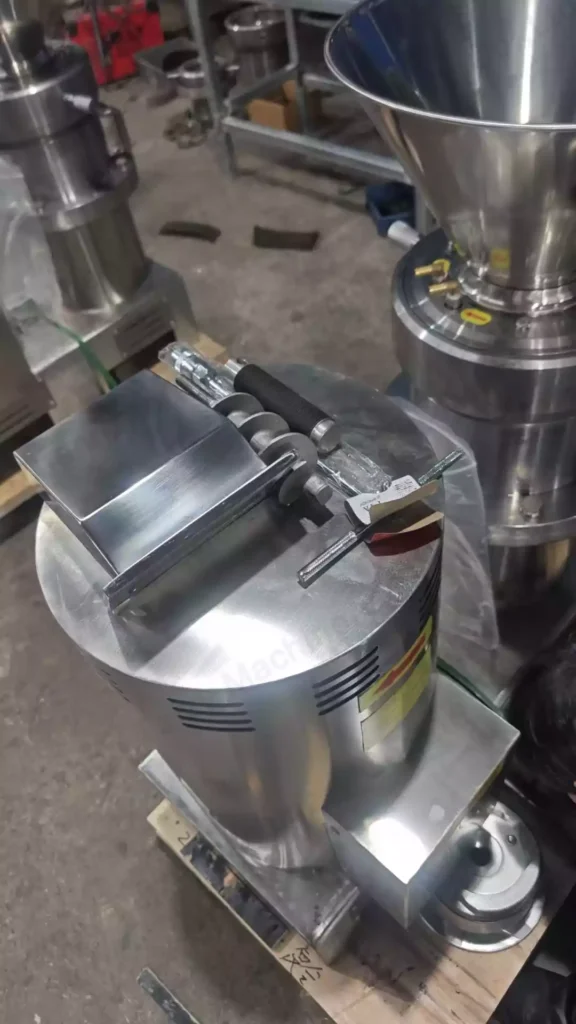
Wichtige Überlegungen bei der Auswahl einer Kolloidmühle?
Selecting the right Erdnuss-Kolloidmühle for food processing depends on several practical factors.
Die Produktionskapazität ist die erste Überlegung. Kleine Betriebe benötigen möglicherweise kompakte Maschinen, während industrielle Anlagen Hochleistungsversionen in automatisierten Linien integrieren.
Materialeigenschaften sind ebenfalls wichtig. Härtere Nüsse wie Mandeln erfordern eine höhere Motorleistung und robustere Mahlwerke im Vergleich zu Erdnüssen.
Ein weiterer wichtiger Faktor ist die Feinheitskontrolle. Die Möglichkeit, den Mahlspalt anzupassen, erlaubt es den Herstellern, die Textur je nach Marktpräferenz fein abzustimmen — sei es für glatte Erdnussbutter oder leicht grobe handwerkliche Produkte.
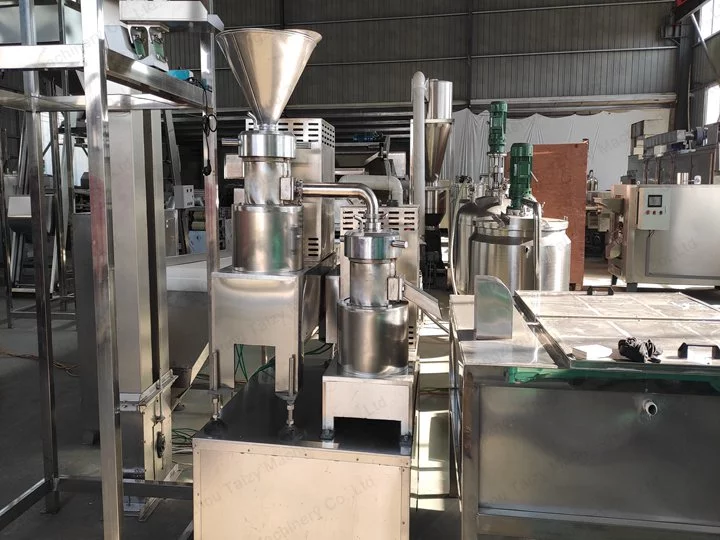
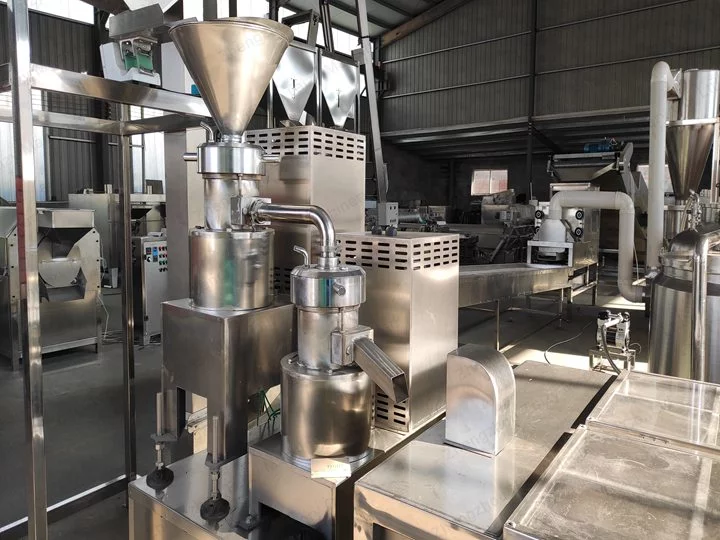
Die Rolle der Kolloidmühlen in der modernen Lebensmittelverarbeitung
Heute ist die industrielle Kolloidmühle für die Herstellung von Erdnussbutter mehr als nur eine Mahlmaschine — sie ist ein entscheidendes Element zur Sicherstellung der Produktkonsistenz, zur Reduzierung von Abfall und zur Verbesserung der Gesamteffizienz.
Da der Wettbewerb in der Nussbutterbranche intensiver wird, kann die Investition in die richtige Nussbutterverarbeitungsmaschine die Produktqualität und die Markenpositionierung direkt beeinflussen. Für Hersteller, die in diesen Markt eintreten oder expandieren möchten, ist es ein wesentlicher erster Schritt, zu verstehen, wie eine Kolloidmühle funktioniert — und wie man eine auswählt.