
Peanuts come in different sizes, even when harvested from the same field. If peanuts of different sizes are sent directly into a shelling machine, the shelling results may be inconsistent, with some peanuts remaining unshelled while others may suffer from excessive breakage.
This is why grading peanuts before shelling is an important step in many peanut processing operations.
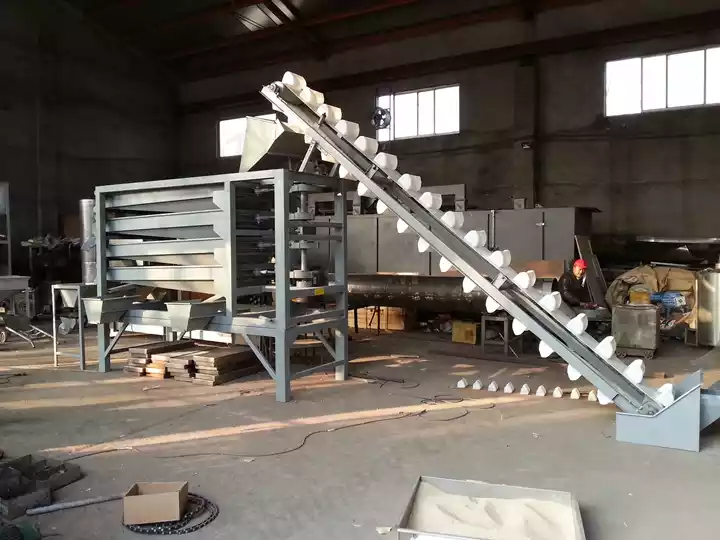
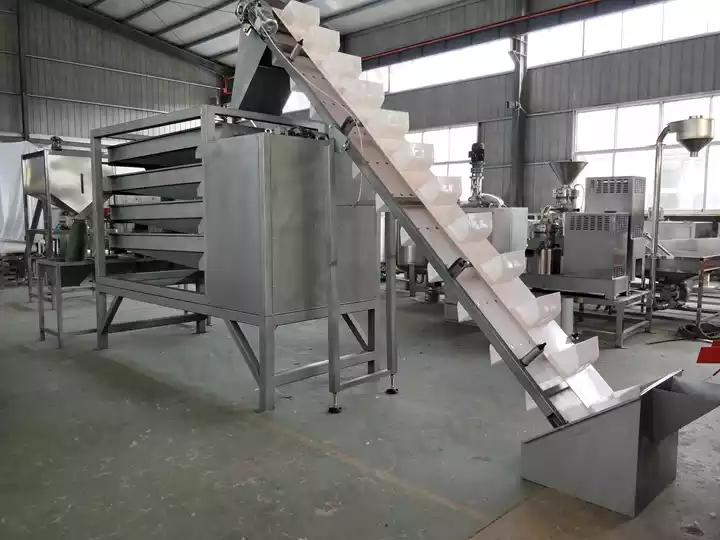
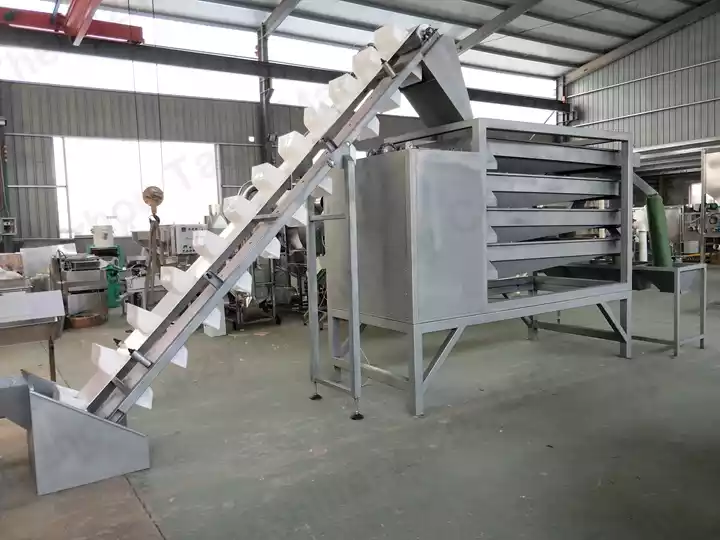
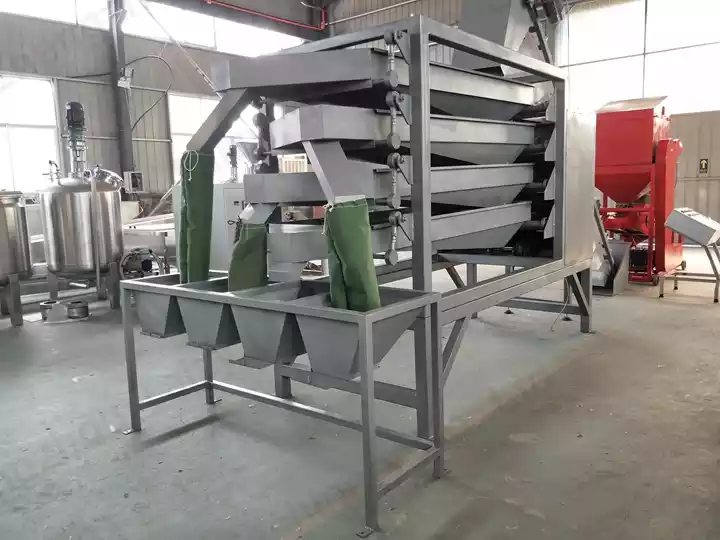
A peanut grading machine separates peanuts by size before they enter the shelling process, helping manufacturers improve shelling efficiency, reduce kernel damage, and achieve more consistent products.
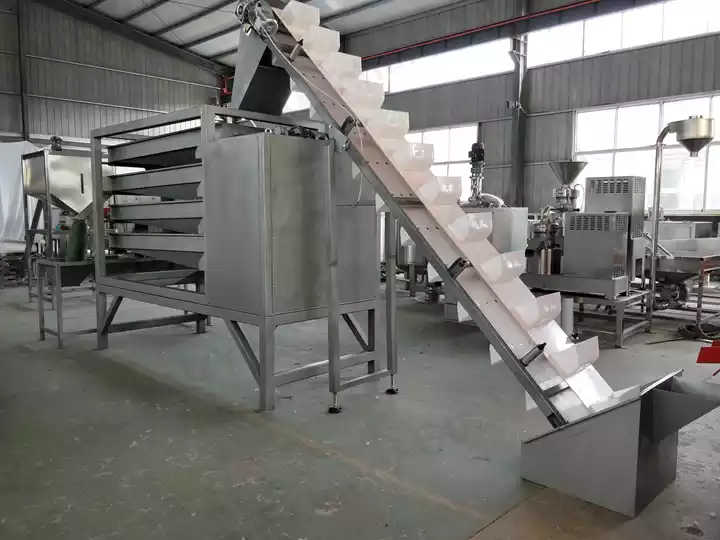
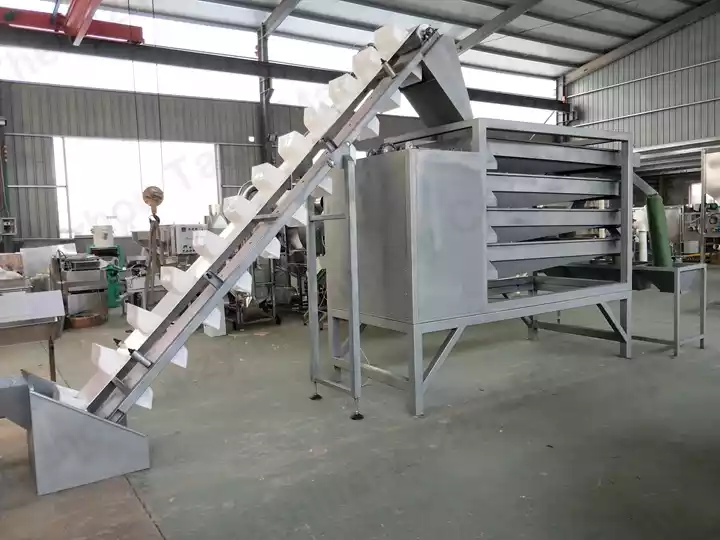
Why Should Peanuts Be Graded Before Shelling?
1. Improve Shelling Efficiency
Peanut shelling machines work more effectively when peanuts have relatively consistent sizes.
If large and small peanuts are mixed, the shelling gap and operating parameters may not be ideal for every peanut. Pre-grading allows different sizes to be processed under more suitable conditions.
2. Reduce Broken Peanut Kernels
Incorrect shelling conditions can increase the risk of broken kernels.
By separating peanuts into different size grades first, operators can adjust the shelling machine more appropriately, helping reduce unnecessary kernel damage.
3. Improve Shelling Results
Uniform peanut sizes make it easier for the shelling machine to achieve consistent results.
Proper grading can help reduce the amount of:
- Unshelled peanuts
- Broken kernels
- Over-processed peanuts
- Mixed-size materials
This is especially important for commercial peanut processors.
4. Improve Product Quality
After shelling, peanut kernels are often further processed for roasting, peanut butter production, oil pressing, or packaging.
More consistent raw materials can make subsequent processing easier and help improve the quality of the final product.
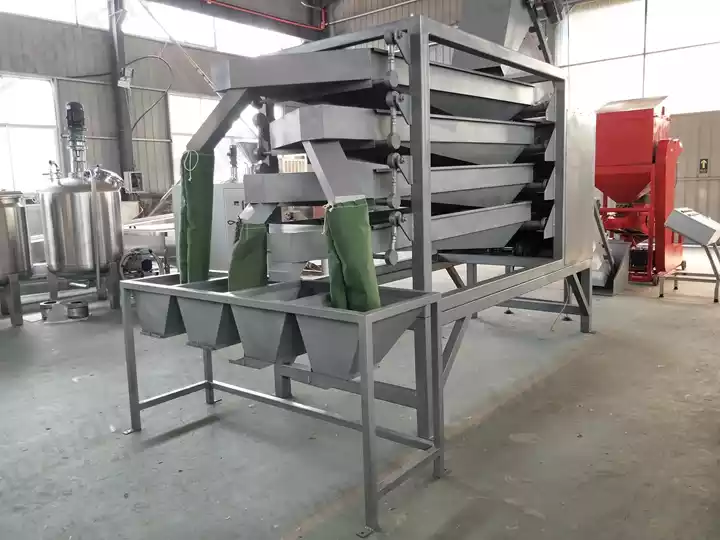
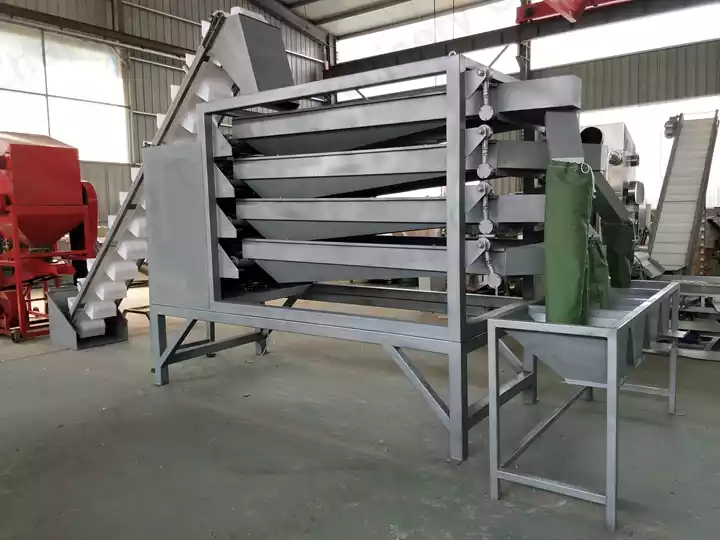
What Factors Should Be Considered When Buying a Peanut Grading Machine?
If you plan to add a peanut grader to your processing line, several factors are important.
Grading Capacity
Choose a machine according to your daily or hourly peanut processing requirements.
Grading Accuracy
The machine should provide relatively consistent size separation so that peanuts can be processed efficiently in the following shelling stage.
Screen Sizes
Different peanut varieties may require different grading sizes. A machine with replaceable or adjustable screens can provide greater flexibility.
Machine Material
For long-term food processing applications, durable and easy-to-clean materials such as stainless steel are preferred for relevant contact parts.
Compatibility With the Shelling Line
The peanut grading machine should match the capacity of your peanut shelling machine and other equipment to avoid production bottlenecks.
Is a Peanut Grading Machine Worth Investing In?
For small-scale peanut processing, manual grading may be possible. However, as processing capacity increases, manual sorting becomes slower and more labor-intensive.
A peanut grading machine can provide:
- Higher grading efficiency
- More consistent peanut sizes
- Reduced manual labor
- Better shelling performance
- Easier downstream processing
For commercial peanut processors and complete peanut processing lines, grading can therefore be a valuable investment.
Kết luận
Grading peanuts before shelling is not simply about separating peanuts by size. It helps create more uniform raw materials for the shelling process, which can improve shelling efficiency, reduce kernel breakage, and support consistent product quality.
If you are processing large quantities of peanuts, a peanut grading machine can be an important part of your peanut processing line.
Looking for a peanut grader for your factory? Contact us with your required capacity and peanut variety to get suitable machine specifications, working videos, and a customized peanut processing solution.