
The global demand for cocoa powder continues to grow, driven by the expanding chocolate, bakery, beverage, and confectionery industries. As manufacturers seek to increase production capacity and maintain consistent product quality, industrial cocoa processing has become more automated and efficient than ever before.
For businesses planning to enter the cocoa processing sector or expand their existing operations, understanding the key features of an industrial cocoa powder line is an important first step.
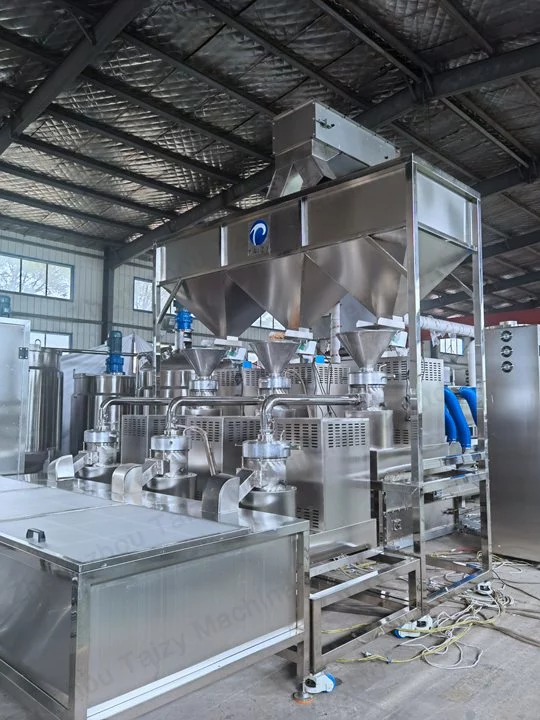
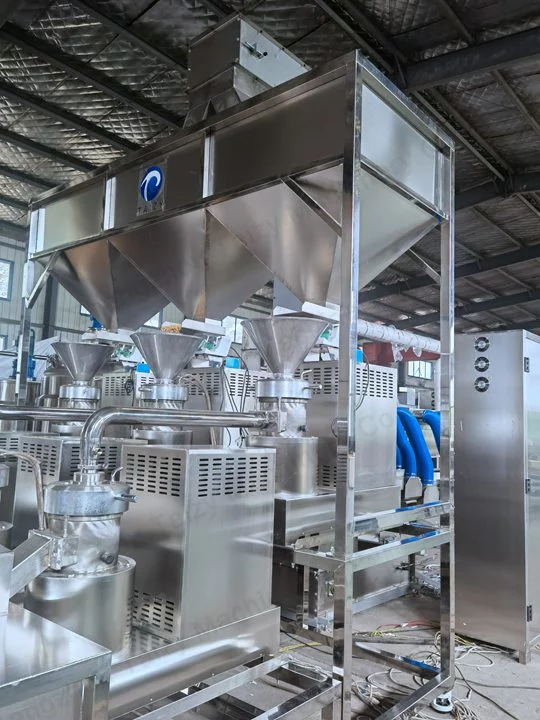
Why Does Cocoa Powder Production Require Specialized Equipment?
Producing cocoa powder involves much more than simply grinding cocoa beans.
A typical production process includes several stages:
- Cocoa bean cleaning
- Grillage
- Peeling and winnowing
- Grinding into cocoa liquor
- Cocoa butter pressing
- Cocoa cake crushing
- Fine powder grinding
- Powder screening and packaging
Each stage affects the quality, flavor, fineness, and yield of the final product. As production volumes increase, manual processing quickly becomes inefficient, making an integrated industrial cocoa powder production line a practical solution for modern manufacturers.
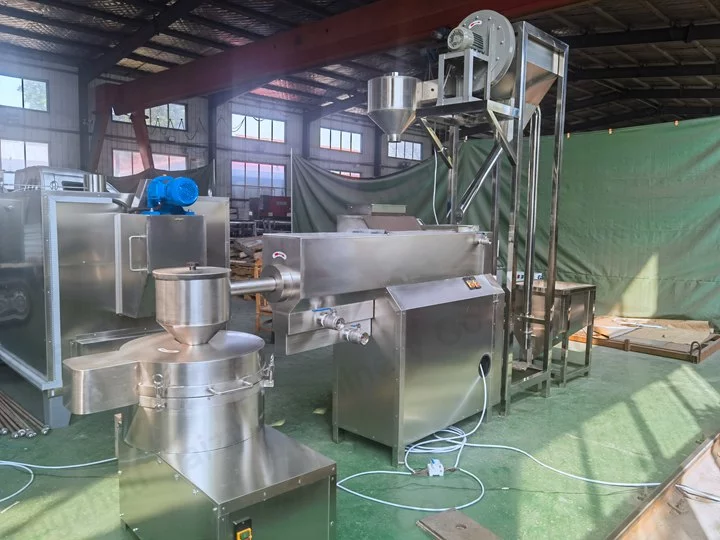
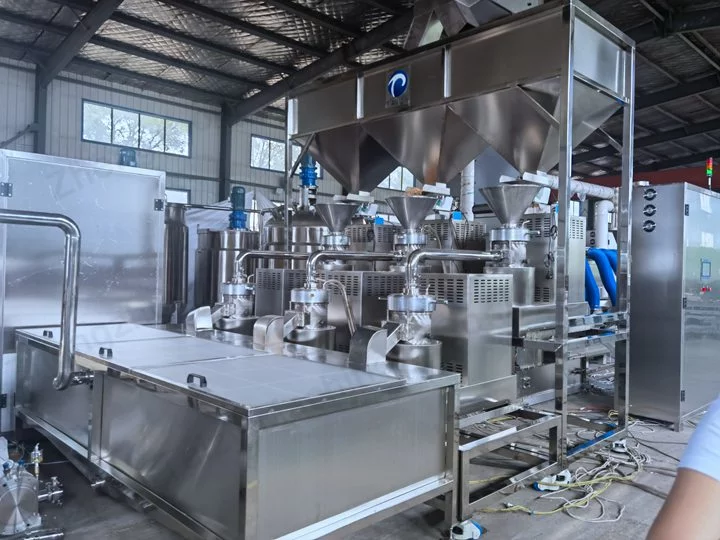
Consistent Product Quality
One of the most important characteristics of an industrial cocoa powder processing system is its ability to maintain consistent quality.
Customers expect cocoa powder to have:
- Uniform particle size
- Stable color
- Consistent flavor
- Low moisture content
Modern processing lines help standardize each production stage, reducing variations that can occur when operations rely heavily on manual labor.
This consistency is particularly important for manufacturers supplying food factories and international markets.
Higher Processing Efficiency
As cocoa demand grows, production efficiency becomes increasingly important.
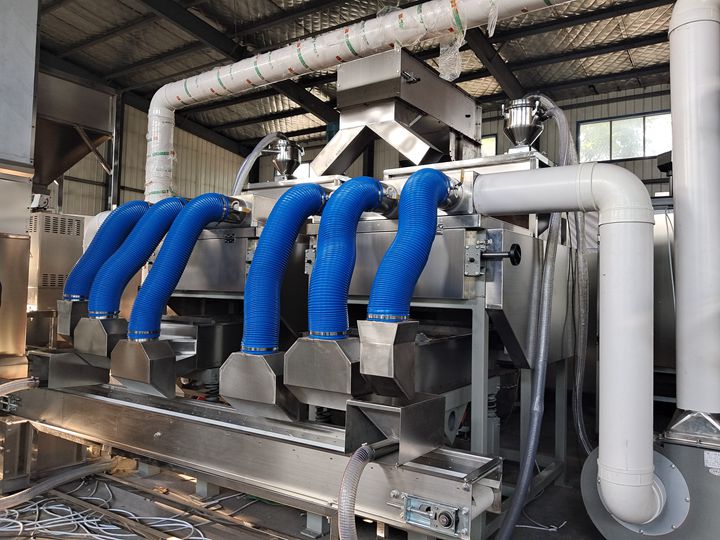
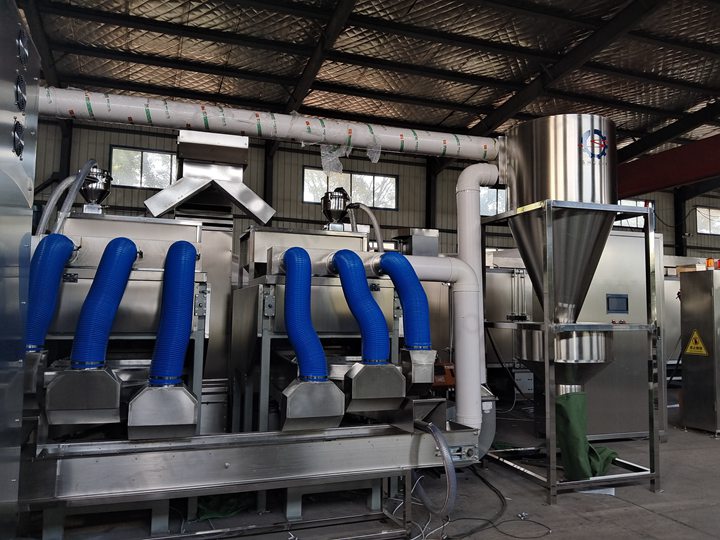
An industrial cocoa powder production line allows multiple processing stages to operate continuously, reducing downtime between operations.
Compared with standalone machines, integrated production systems can:
- Increase daily output
- Reduce labor requirements
- Improve material flow
- Shorten production cycles
This enables manufacturers to process larger volumes of cocoa beans without significantly increasing operating costs.
Better Utilization of Cocoa Resources
One of the advantages of industrial cocoa processing is the ability to utilize every part of the cocoa bean.
During production:
- Cocoa liquor can be processed into chocolate products.
- Cocoa butter can be sold to the food and cosmetic industries.
- Cocoa cake can be converted into cocoa powder.
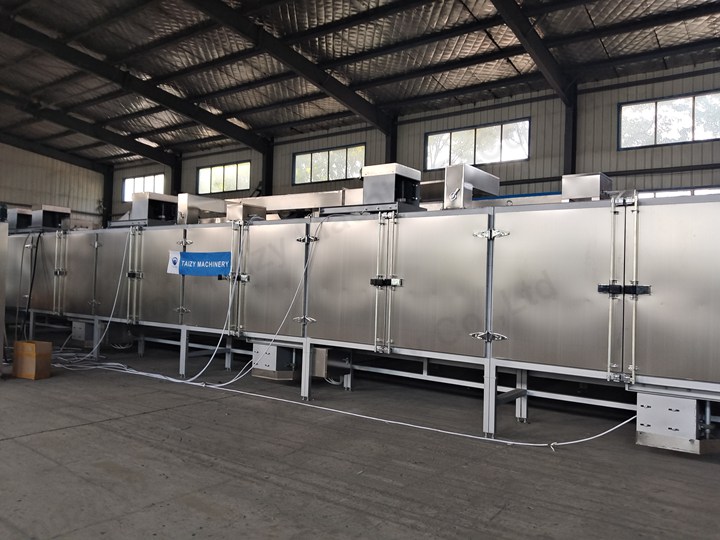
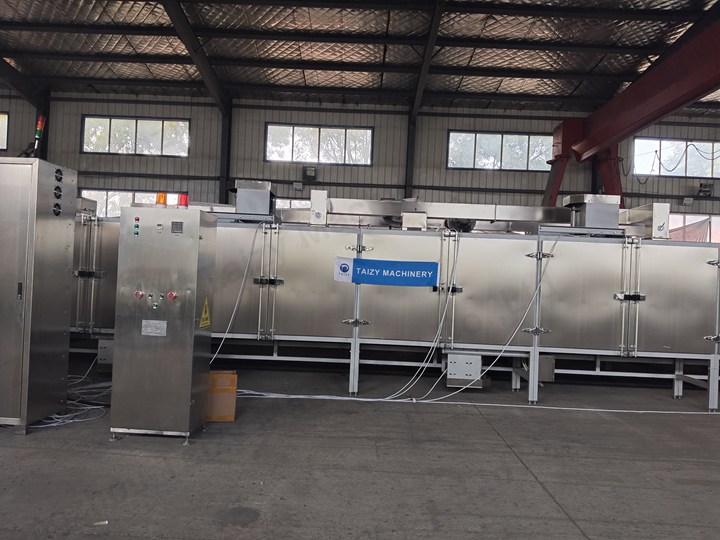
A well-designed industrial cocoa powder line helps maximize resource utilization while minimizing waste, improving overall profitability.
Flexible Capacity for Different Business Sizes
Not every cocoa processor operates at the same scale.
Some companies process a few hundred kilograms of cocoa beans per day, while others handle several tons.
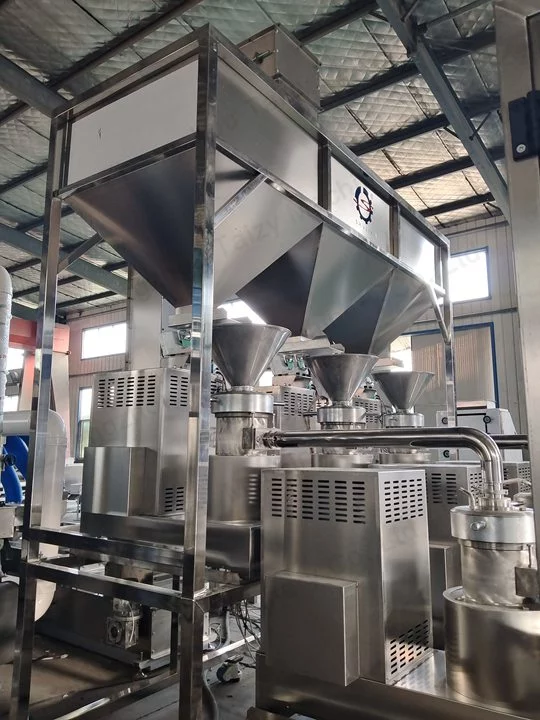
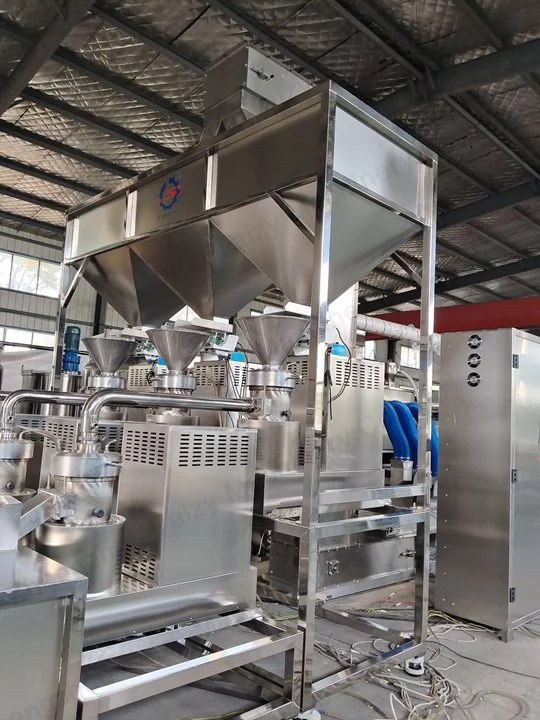
One reason many manufacturers choose an industrial cocoa powder production line is the flexibility to configure production capacity according to business needs. This allows processors to start at a suitable scale and expand as demand increases.
Meeting the Growing Global Demand for Cocoa Powder
The popularity of chocolate beverages, bakery products, desserts, and confectionery continues to drive demand for cocoa powder worldwide.
As competition increases, manufacturers need reliable production processes that can deliver consistent quality and efficient output.
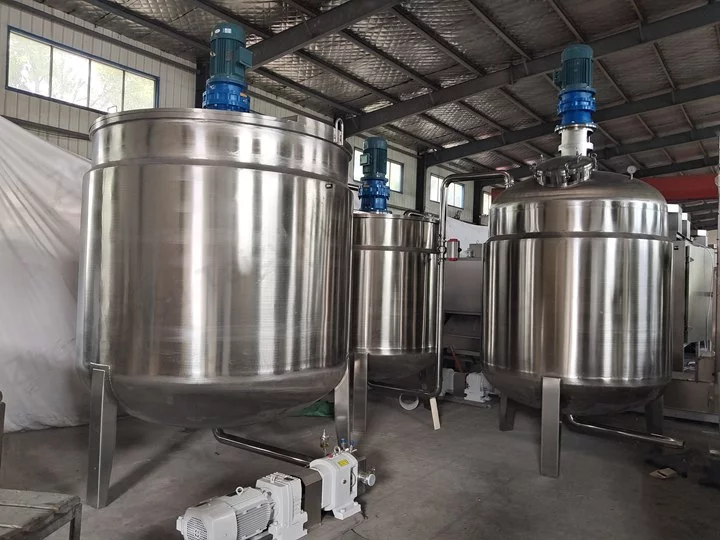
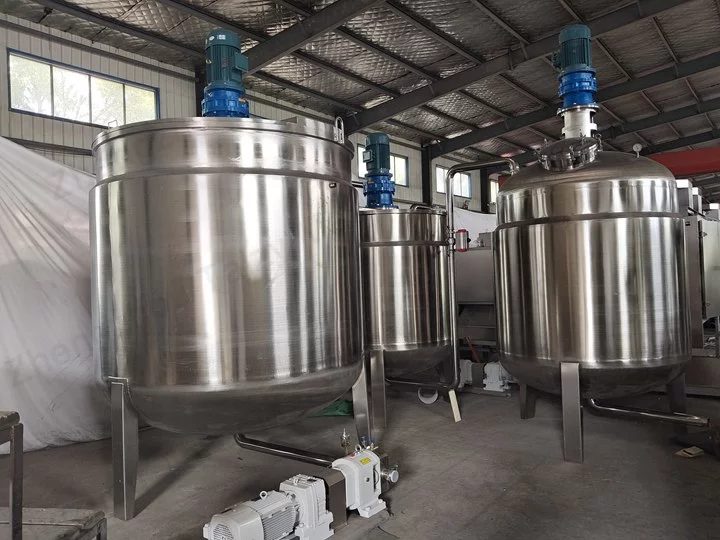
Investing in an industrial cocoa powder line is not only about increasing production capacity—it is also about improving product consistency, optimizing resource utilization, and creating a stronger foundation for long-term business growth.
For companies looking to enter the cocoa processing industry, understanding these key production line features can help guide future investment decisions and support sustainable expansion.