
One of the most common challenges in peanut butter production is oil separation. After sitting on the shelf for a period of time, a layer of oil may rise to the top while the peanut solids settle at the bottom. Although this is a natural phenomenon, excessive oil separation can affect product appearance, texture, and consumer satisfaction.
So, how do commercial peanut butter manufacturers keep their products smooth and consistent? The answer lies not only in the recipe but also in the production process and equipment.
Why Does Peanut Butter Separate?
Peanuts naturally contain around 45–50% oil. During grinding, these oils are released from the peanut cells and mixed with the solid particles.
Over time, gravity causes the lighter oil to migrate upward while the heavier peanut solids settle. Without proper processing, this separation becomes more noticeable, especially during storage and transportation.
For manufacturers, minimizing oil separation is essential to producing high-quality peanut butter with a longer shelf life.
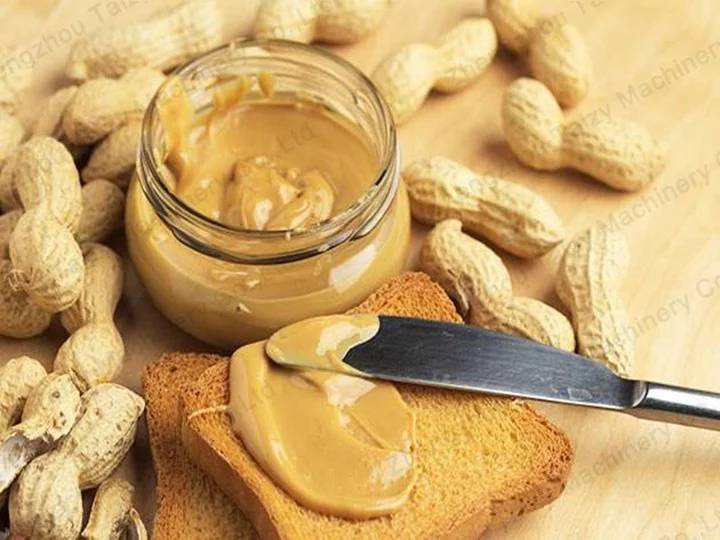
Choose High-Quality Roasted Peanuts
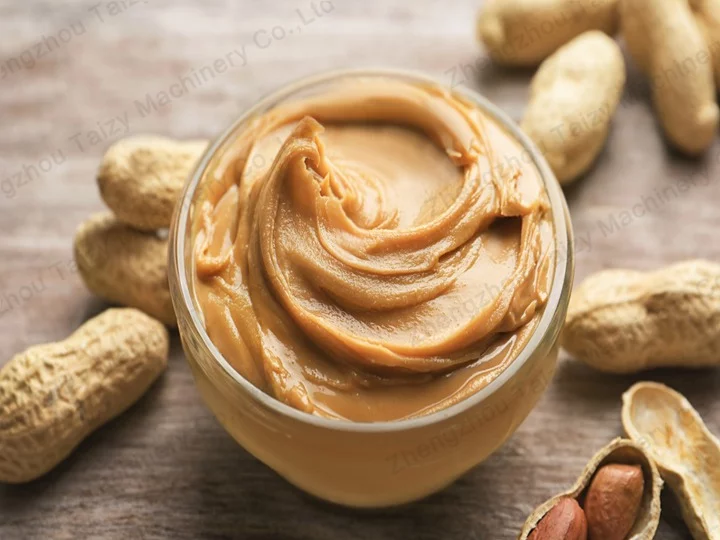
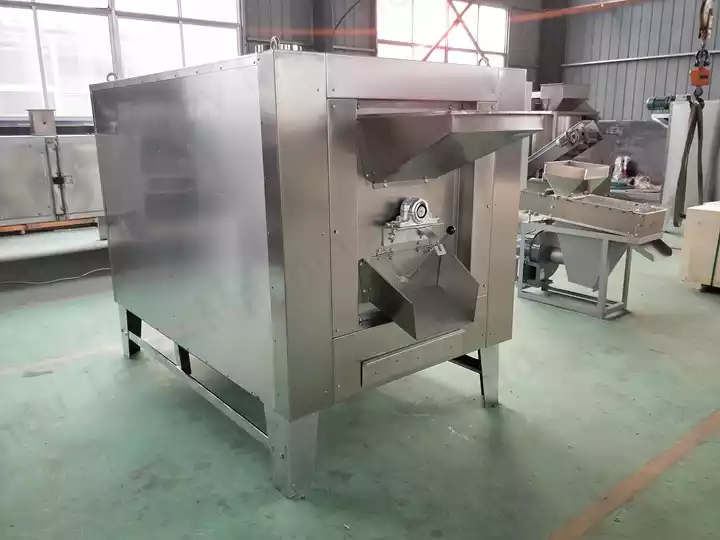
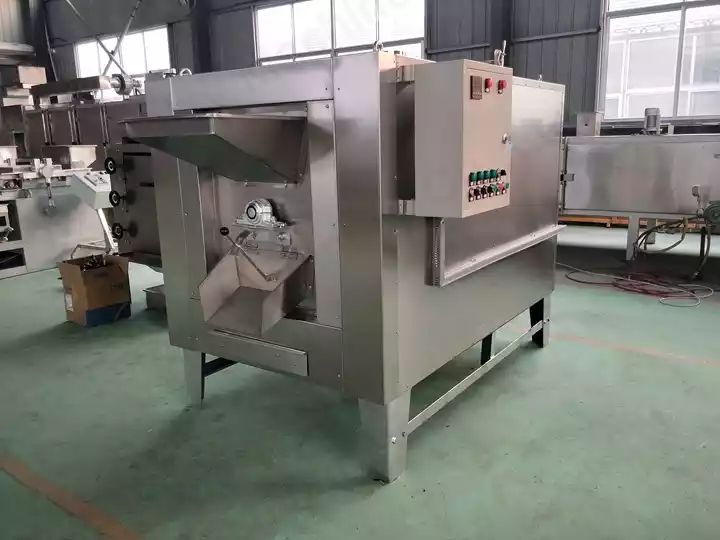
The production process begins with properly roasted peanuts.
Uniform roasting helps remove excess moisture while developing the characteristic peanut flavor. Peanuts that are under-roasted or over-roasted can affect grinding performance and the stability of the finished peanut butter.
Consistent roasting also creates a better foundation for achieving a smooth, homogeneous texture.
Control Grinding Fineness
Particle size plays an important role in product stability.
If peanut particles are too coarse, the oil and solids are more likely to separate during storage. Finer grinding creates a more uniform mixture, allowing the oil to remain evenly distributed throughout the peanut butter.
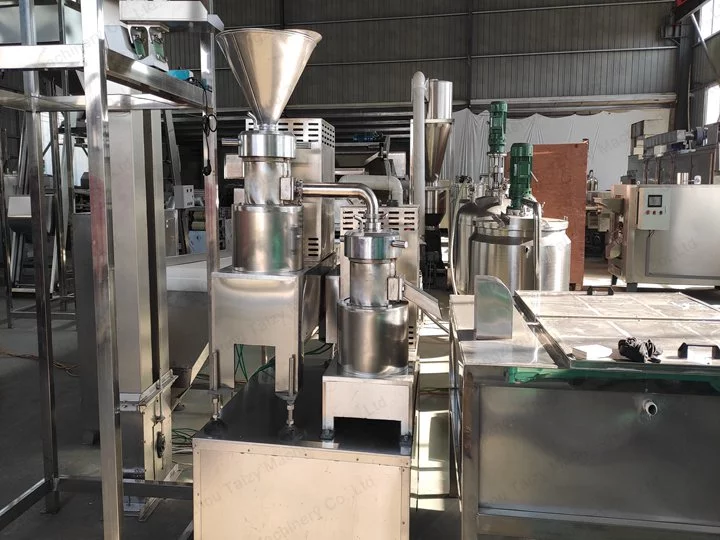
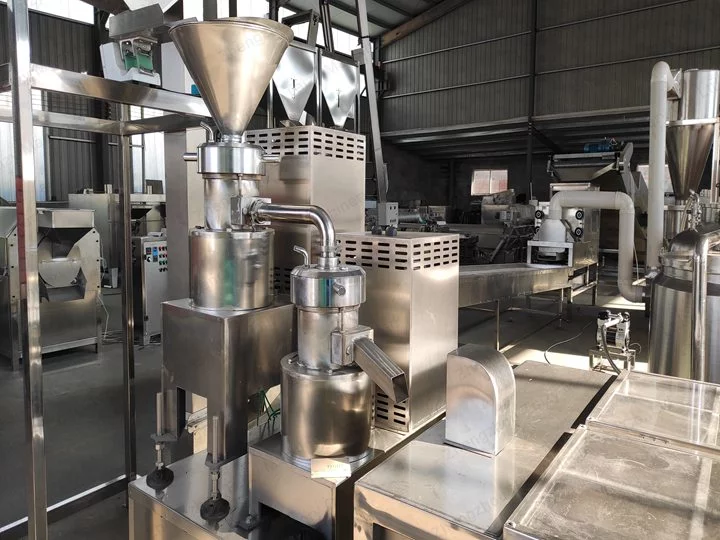
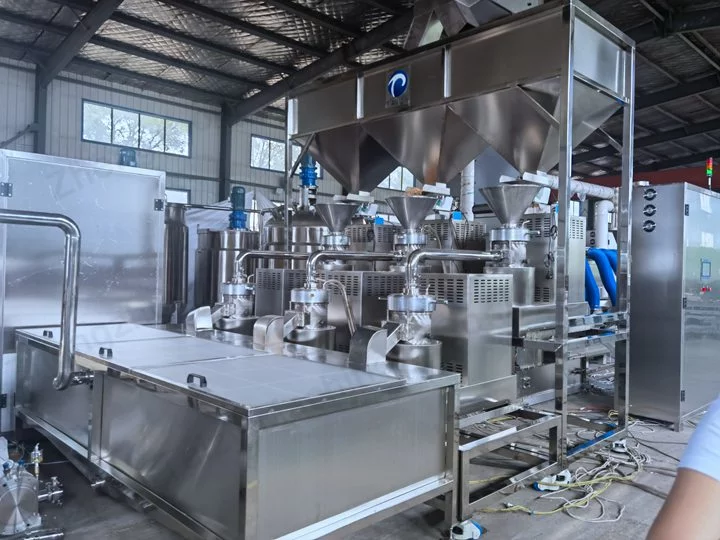
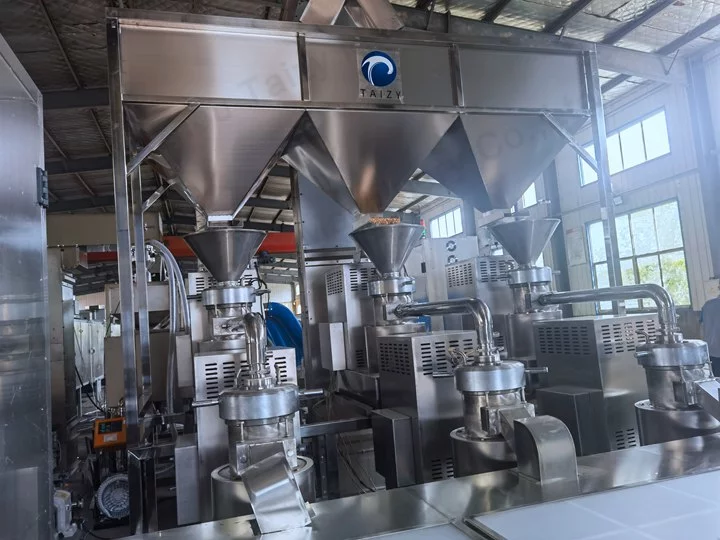
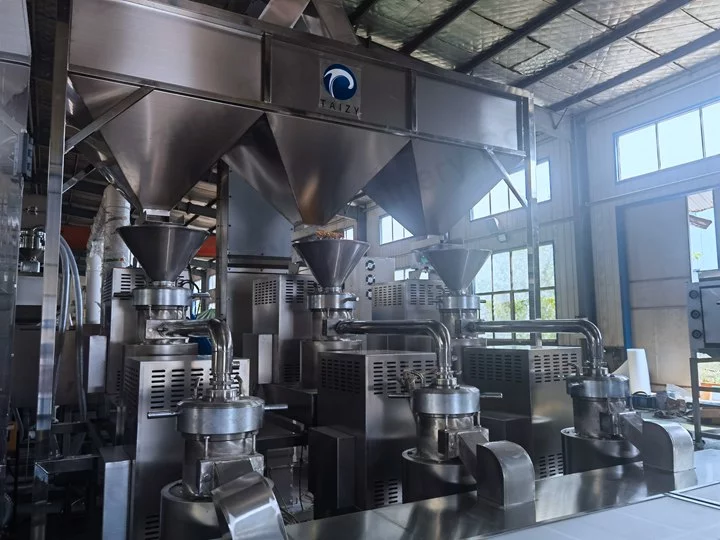
Modern peanut butter production lines typically use multiple grinding stages to achieve a consistent particle size while maintaining product quality.
Proper Mixing Improves Stability
Grinding alone is not enough.
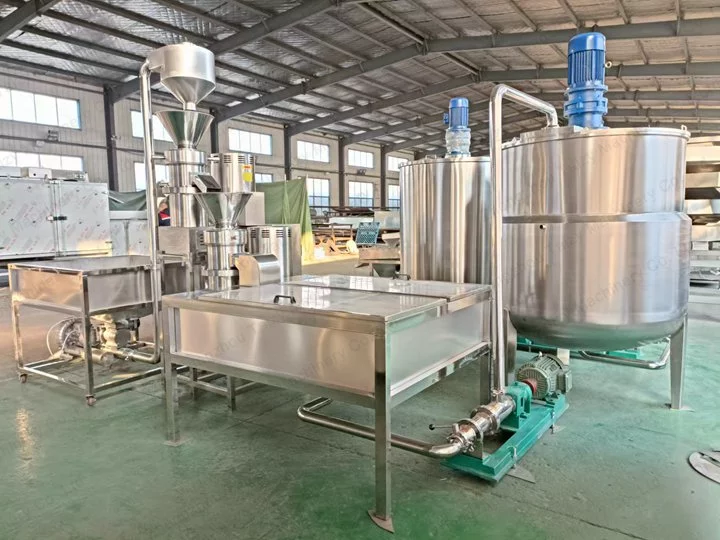
After grinding, the peanut paste should be mixed thoroughly to ensure that the released oil is evenly dispersed throughout the product. Continuous mixing creates a more stable emulsion and improves texture.
Depending on the product formulation, manufacturers may also add a small amount of stabilizer to further reduce oil migration during storage.
Temperature Matters Throughout Production
Temperature has a direct impact on peanut butter consistency.
If the product is processed at excessively high temperatures, the oil becomes thinner and separates more easily. On the other hand, temperatures that are too low may reduce flowability during processing.
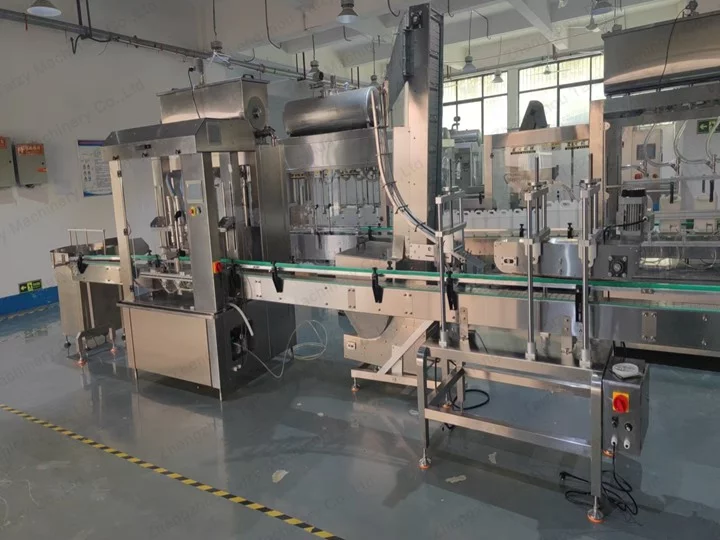
A well-designed peanut butter production line maintains stable processing conditions from grinding to filling, helping manufacturers produce peanut butter with consistent quality batch after batch.
Use an Integrated Production Line
Many small producers rely on separate machines for roasting, grinding, mixing, and filling. While this approach can work, inconsistent operation between each stage may increase the risk of oil separation.
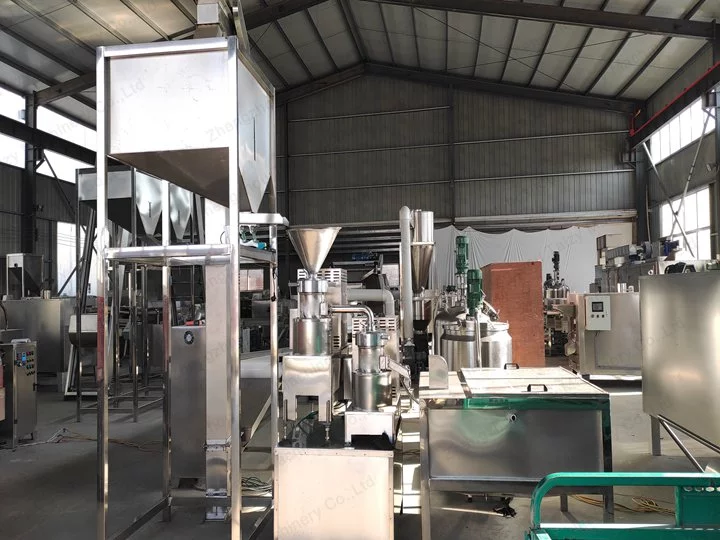
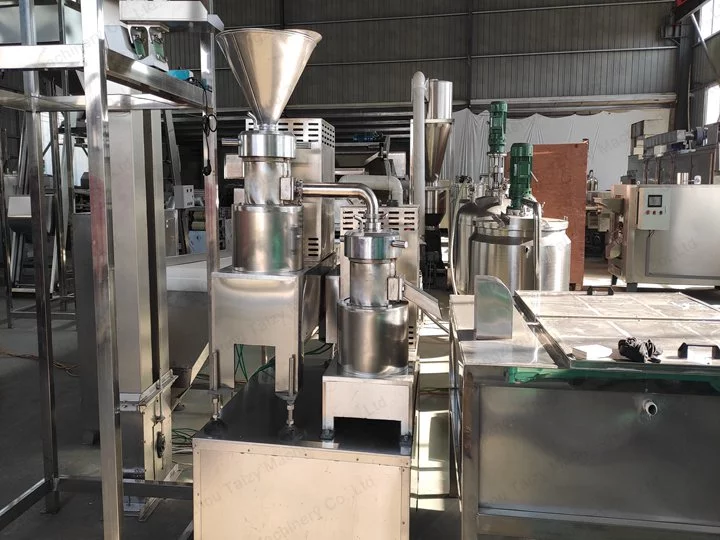
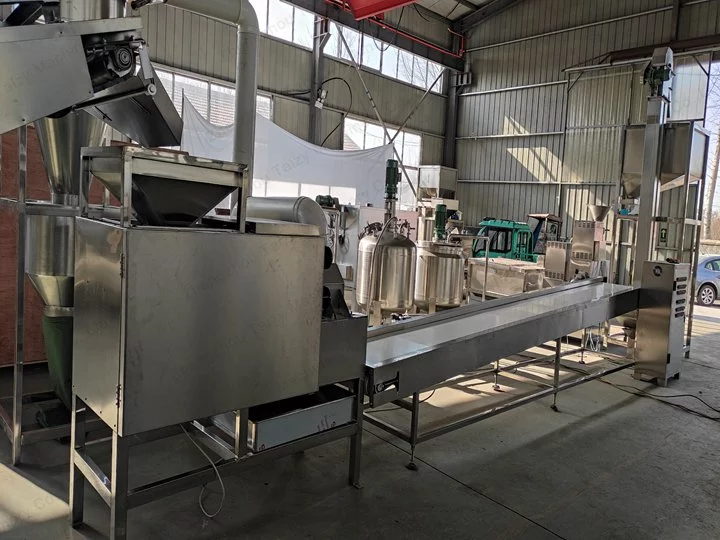
An integrated peanut butter production line connects every step into a continuous process, ensuring better control over roasting, grinding, mixing, and packaging.
This not only improves product stability but also increases production efficiency and reduces manual handling.
Consistency Builds Customer Trust
Consumers expect peanut butter to be creamy, easy to spread, and visually appealing. Excessive oil separation often creates the impression of poor quality, even if the product is still safe to eat.
By optimizing roasting, grinding, mixing, and temperature control, manufacturers can significantly improve product stability and deliver a better customer experience.
For businesses looking to produce premium peanut butter, investing in a reliable peanut butter production line is an effective way to improve consistency, increase efficiency, and meet growing market demand.